Home Destinos Africa Botswana: A Trip to Botswana—Luxury Safaris in the Okavango Delta and the Kalahari

Botswana: A Trip to Botswana—Luxury Safaris in the Okavango Delta and the Kalahari

A trip to Botswana means exploring one of Africa’s last great wilderness areas without the crowds found at other safari destinations. For decades, the country has followed a low-volume, high-value tourism model: it prioritizes private reserves with a limited number of guests over large hotel resorts, ensuring high wildlife density and privacy on every outing.


NUBA designs each trip to Botswana from scratch, combining the Okavango Delta, Chobe National Park, and the Kalahari Desert into a unique itinerary, backed by 30 years of experience in luxury travel and recognition as the World’s Leading Travel Agency at the 2023, 2024, and 2025 World Travel Awards.

Botswana: A Trip to Botswana—Luxury Safaris in the Okavango Delta and the Kalahari
Elefantes en el Parque Nacional Chobe, Botswana
“Until one has loved an animal, a part of the soul remains unawakened.”

Why Choose a Trip to Botswana with NUBA

NUBA designs each trip to Botswana on a personalized basis, working closely with the traveler to attend to every detail. Access to private sites and experiences—where the number of vehicles and people per safari is limited—allows travelers to enjoy the most intimate and exclusive encounters with wildlife, far from the most heavily traveled routes.


Selecting camps, guides, and flight routes is an essential part of designing every NUBA trip: understanding what each traveler is looking for and turning that into a unique itinerary, planned down to the last detail.


Three elements define our approach to exploring Botswana:


    • Private game drives in the Okavango Delta, Chobe, and the Central Kalahari, accompanied by guides who specialize in each region.


    • A safari by land, water, and air, combining 4×4 tours, mokoro trips, and scenic flights.


    • Exceptional campsites, seamlessly integrated into the landscape and designed to let you experience nature in the utmost comfort.

What to See on a Trip to Botswana

A trip to Botswana is almost always organized around four regions, each with its own distinct character within the country.


The Okavango Delta, in the north, is the world’s largest inland delta and was designated a UNESCO World Heritage Site in 2014. Its area ranges from 15,000 to 22,000 km² during the flood season, fed by water that originates in the highlands of Angola and flows through Namibia before dispersing into the Kalahari Desert without ever reaching the sea. It is the only place in the world with a population of lions that regularly enter the water to hunt.


Chobe National Park, in the northeast, is home to one of the largest concentrations of wild elephants in Africa: on afternoons during the dry season, it is possible to see up to 2,000 elephants gathering at the Chobe River within a few hours. The park is home to more than 400 recorded bird species.


The Makgadikgadi and Nxai Pan salt pans, southeast of the Delta, are the setting for the zebra migration—the major wildlife spectacle that Botswana offers outside the traditional dry season.


The Central Kalahari Game Reserve, located in the center of the country, is part of a desert that covers nearly 70% of Botswana’s territory (about 500,000 km²) and is one of the territories that has been continuously inhabited since the earliest hominids, serving as the historic home of the San people.

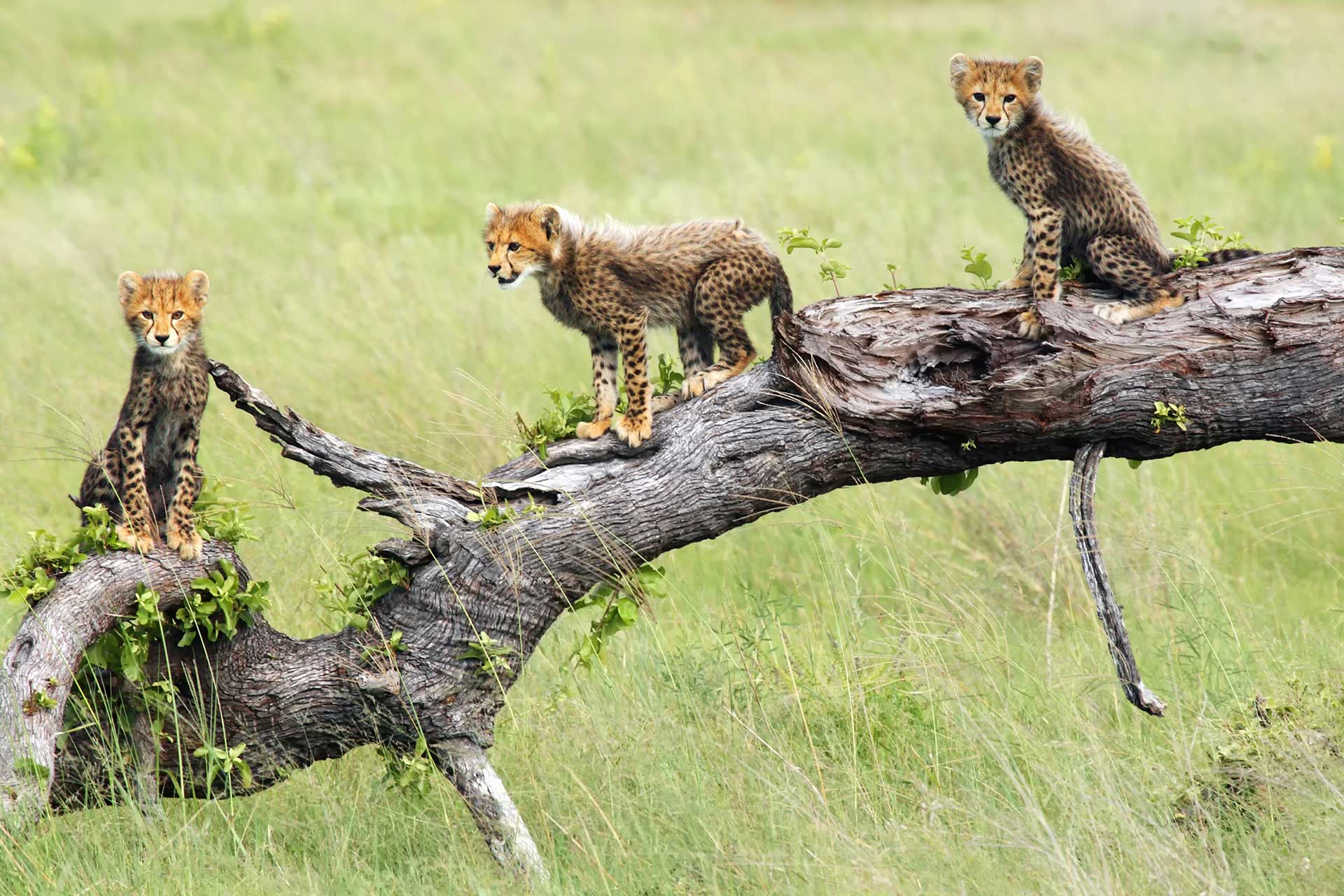
crías de guepardo en rama de árbol
There isn't a single best time to visit Botswana—whether your goal is to see wildlife or the zebra migration.

Best Time to Visit Botswana

From May to October, during the dry season, the rains subside while water flowing in from Angola floods the Okavango Delta, reaching its peak between June and August. The animals gather along the channels, and the sparse vegetation provides good visibility: this is the classic time for a great photo safari and for activities by mokoro and motorboat.


From November to March, during the green season, local rains bring the country back to life, the young of most species are born, and more than 200 species of migratory birds arrive. It’s also the season when you can follow the migration of zebras to Makgadikgadi, and camp prices drop significantly compared to the dry season.


NUBA Experiences on Your Trip to Botswana

The Great Migration

Far from the media spotlight that the Serengeti receives, Botswana is home to two of Africa’s longest zebra migrations. The first connects Chobe with Nxai Pan: between 20,000 and 30,000 zebras travel about 250 km south when the first rains arrive in late November.


The second route connects the Okavango Delta with the Makgadikgadi Salt Pans: about 15,000 zebras complete a 500-km circular journey between December and March, following the Boteti River.


Both routes were out of use for decades due to the veterinary fencing installed in the 1960s and were only reactivated after it was removed in 2004. NUBA places the traveler at the exact point along the route based on the month of departure.

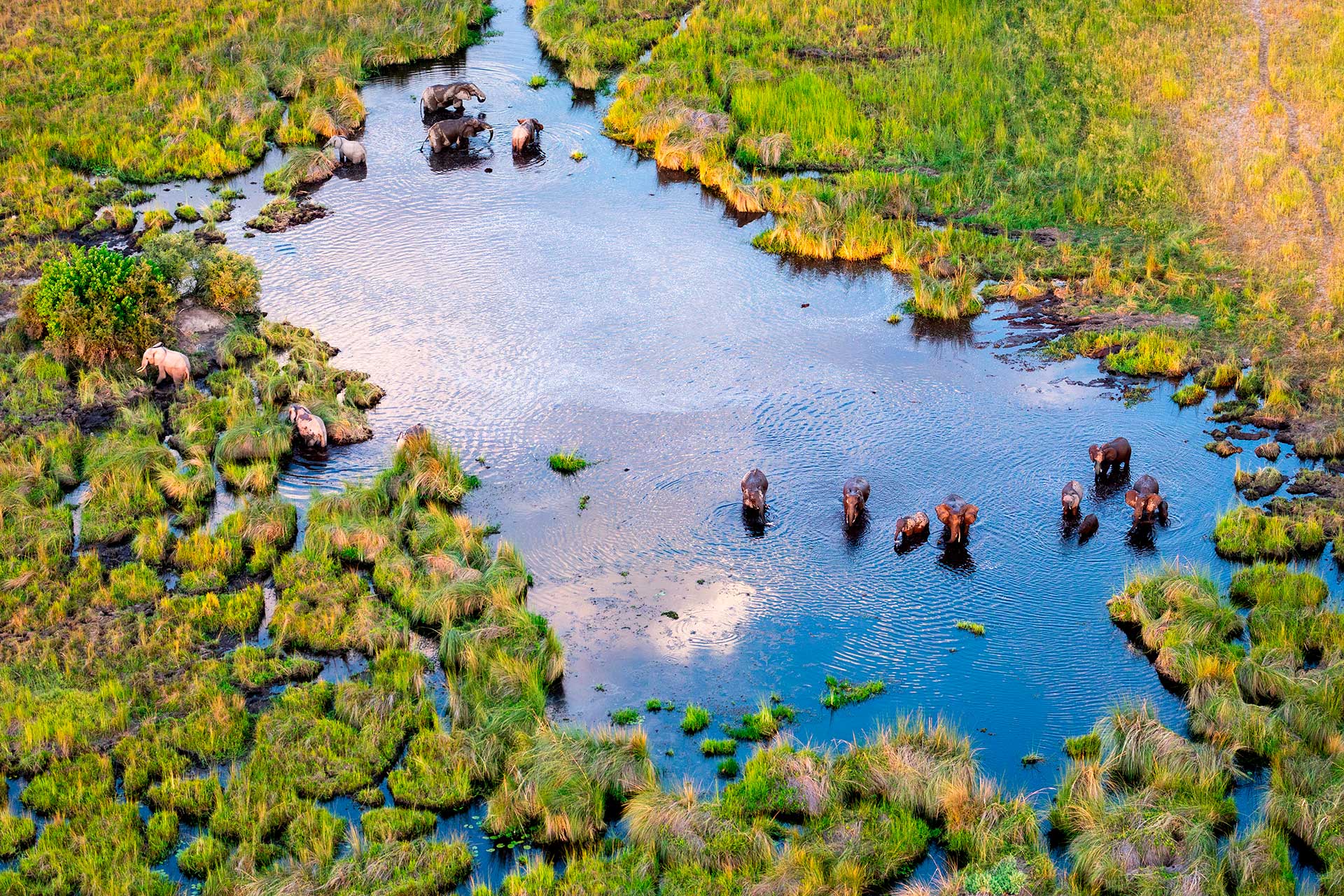
Fly over the Okavango and contemplate all its beauty.

A scenic light aircraft flight over the Okavango Delta reveals what no land-based safari can offer: the complete mosaic of channels, islands, and lagoons that make up the world’s largest inland delta, with the low light of dawn or dusk silhouetting every meander.


This is the usual way to travel between camps within the Delta, and NUBA incorporates it as an experience in its own right, not just as a means of transportation.

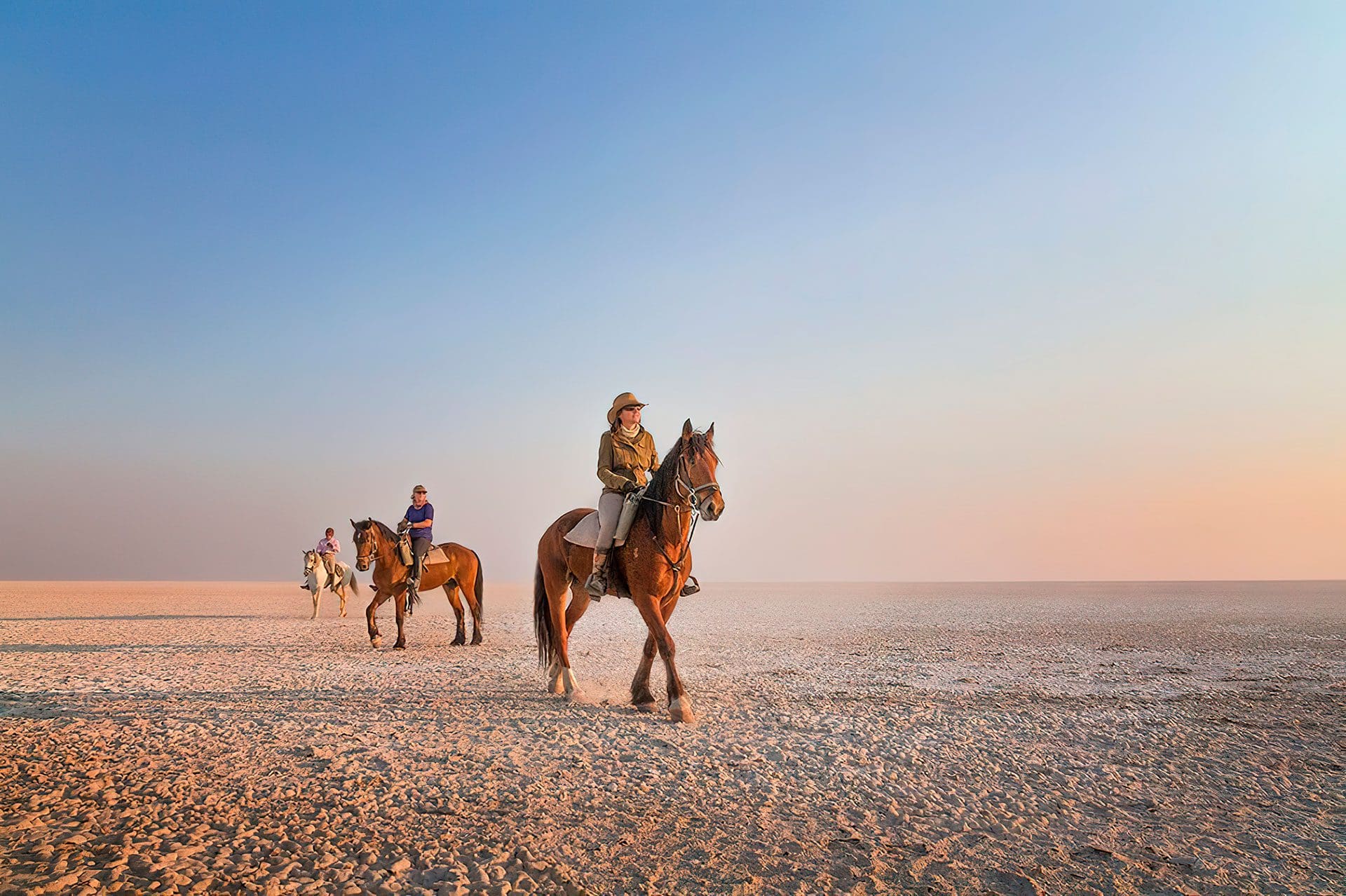
Galloping through the Kalahari

In the open plains of the Central Kalahari and Makgadikgadi, a horseback safari allows you to get up close to herds of zebras, oryx, and ostriches at the horse’s own pace, without the noise of an engine. This experience requires prior horseback riding experience, and NUBA arranges it in private concessions where access on horseback is expressly permitted.

Budget and Duration of a Trip to Botswana

Most Botswana itineraries with NUBA are designed to last between 8 and 12 days, combining two or three of the regions mentioned above with domestic flights between camps—the usual way to travel within the country given how spread out the reserves are. A shorter trip, lasting 5 to 7 days, allows you to focus on a single region, typically the Okavango Delta or Chobe.

The cost varies depending on the season, the category of the camps, the length of the itinerary, and the number of domestic flights included. Botswana does not offer fixed-price packages typical of mass tourism: each itinerary is custom-designed in collaboration with a NUBA advisor based on the chosen dates and travel style.

season

From May through October, when the pleasant temperatures are perfect for visiting the Okavango Delta and discovering the wildlife that gathers there.

Subtropical

Average 26°C

May to September

Temperatures somewhat elevated during the day, but they become milder at nightfall.
NUBA experiences

Gran migración

The Great Migration

Experience, first hand, the largest zebra and wildebeest migration on the African continent and accompany the wild herds on their way to the Makgadikgadi and Nxai Pan plains.
Okavango by helicopter

Fly over the Okavango and contemplate all its beauty.

Admire the natural orchard that is the Okavango Delta from the air, flying by helicopter over this fertile land that hosts the most magical spectacle of wildlife.
Kalahari a caballo

Galloping through the Kalahari

Live a unique safari experience as you ride across the breathtaking plains of the Kalahari Desert on horseback, answering the call of adventure.

FREQUENTLY ASKED QUESTIONS ABOUT THE TRIP

When is the best time to travel to Botswana?

The dry season, from May to October, offers the best wildlife viewing: the rains subside, while the waters of the Okavango Delta—flowing in from Angola—reach their peak between June and August, drawing animals to the channels. The green season, from November to March, is best for the zebra migration to Makgadikgadi and for birdwatching.

Is Botswana a safe country to travel to?

Yes. Botswana is one of the most stable countries in Africa, with a democracy that has been firmly established since its independence in 1966 and a professional safari industry. The real risk at any nature destination lies with the wildlife, which is why all activities are always conducted under the guidance of certified guides.

Is Botswana expensive? How much does a luxury trip to Botswana cost?

Botswana follows a "low-volume, high-value" policy: it limits the number of rooms in its private reserves rather than building large resorts, which raises the average cost per night compared to other African destinations. The final price of a trip to Botswana with NUBA depends on the season, the category of the camps, and the duration. Each itinerary is customized individually with your NUBA advisor.

What to See on a Trip to Botswana?

Most of the itineraries are concentrated in four regions: the Okavango Delta, Chobe National Park, the Central Kalahari Game Reserve, and the Makgadikgadi and Nxai Pan salt pans. Each offers a unique experience, ranging from mokoro safaris through the Delta’s waterways to the large herds of elephants in Chobe.

How many days should you plan for a trip to Botswana?

A trip lasting 8 to 12 days allows you to visit two or three regions at a leisurely pace, including domestic flights between camps. A 5- to 7-day trip is sufficient to focus on a single region, such as the Okavango Delta.

Do Spanish citizens need a visa to travel to Botswana?

Spanish citizens generally do not need a visa for short tourist stays in Botswana, although entry requirements are subject to change. NUBA recommends confirming the current regulations with the Botswana embassy or consulate before traveling and verifying that your passport remains valid for at least the required period.

Is a trip to Namibia or Botswana better? Can you combine the two?

These destinations are not mutually exclusive: Namibia and Botswana share a border and the landscapes of the Kalahari, so many NUBA travelers combine both countries—or add Victoria Falls in Zimbabwe or Zambia—into a single two- or three-week itinerary.

Is Botswana a good destination for traveling with children?

Yes, although the minimum age varies by camp—usually between 6 and 12 years old—for safety reasons during safari excursions. NUBA selects camps with specific programs for families within each itinerary.

Is there a risk of malaria in Botswana?

Much of northern Botswana, including the Okavango Delta and Chobe, is considered a malaria risk area, especially during the rainy season. NUBA recommends consulting an international vaccination center before your trip to discuss recommended prophylaxis and vaccinations.

How does a vehicle safari differ from a mokoro safari in the Okavango Delta?

The 4x4 safari covers a greater distance and allows you to get up close to predators such as lions and cheetahs. The mokoro, the traditional local canoe, glides silently through the Delta’s waterways and is ideal for birdwatching and a more contemplative experience. NUBA combines both formats within the same itinerary whenever the camp allows.

BITÁCORA Stories

Traveling to Africa with NUBA means exploring remote destinations where untamed nature, privacy, and authenticity take center stage.

Traveling to Africa with NUBA means exploring remote destinations where untamed nature, privacy, and authenticity take center stage.

Discover where to travel in 2025 with NUBA. Explore unique destinations and live unforgettable experiences designed especially for you - get ready for adventure!

Discover where to travel in 2025 with NUBA. Explore unique destinations and live unforgettable experiences designed especially for you - get ready for adventure!

Discover where to travel in 2025 with NUBA. Explore unique destinations and live unforgettable experiences designed especially for you - get ready for adventure!

Discover where to travel in 2025 with NUBA. Explore unique destinations and live unforgettable experiences designed especially for you - get ready for adventure!

Botswana