Home Destinos Africa Trip to Madagascar: The Island of Baobabs and Lemurs

Trip to Madagascar: The Island of Baobabs and Lemurs

A trip to Madagascar means exploring an island in the Indian Ocean where more than 90% of the flora and fauna are found nowhere else on Earth, from the centuries-old baobabs of Menabe to more than 100 species of lemurs.


NUBA designs each itinerary from scratch, combining breathtaking natural landscapes, pristine beaches, and local communities into a unique journey, backed by 30 years of experience in luxury travel and recognized as the world’s leading luxury travel agency.

Trip to Madagascar: The Island of Baobabs and Lemurs
Playa islas Madagascar
“In the jungle, you understand that everything is connected. Each small species, however insignificant it may seem, plays a role in the great tapestry of life.”

Why Choose a Trip to Madagascar with NUBA

NUBA designs each trip to Madagascar by selecting private concessions, guides who specialize in endemic wildlife, and camps located away from mass tourism routes—such as Miavana by Time + Tide—so that travelers can experience the island’s biodiversity in true privacy.


Selecting camps, local guides, and domestic flights is an essential part of planning each trip: understanding what each traveler is looking for and turning that into a personalized itinerary, carefully crafted down to the last detail.


Three elements define our approach to exploring Madagascar:


    • Private reserves and concessions in Menabe, Isalo, and Andasibe, accompanied by guides specializing in endemic wildlife.


    • A combination of extreme ecosystems along a single route: dry baobab forests, rainforest, coral reefs, and beaches along the Mozambique Channel


    • Malagasy communities and traditions are incorporated into the itinerary, with respect for local customs and traditions (fady).

What to See on a Trip to Madagascar

A trip to Madagascar lets you explore the Avenue of the Baobabs, Isalo National Park, the beaches of Nosy Be, and the Andasibe rainforest—four landscapes that encapsulate the island’s diversity in a single itinerary.


Baobab Avenue, Isalo National Park, Nosy Be Beaches, Andasibe Rainforest

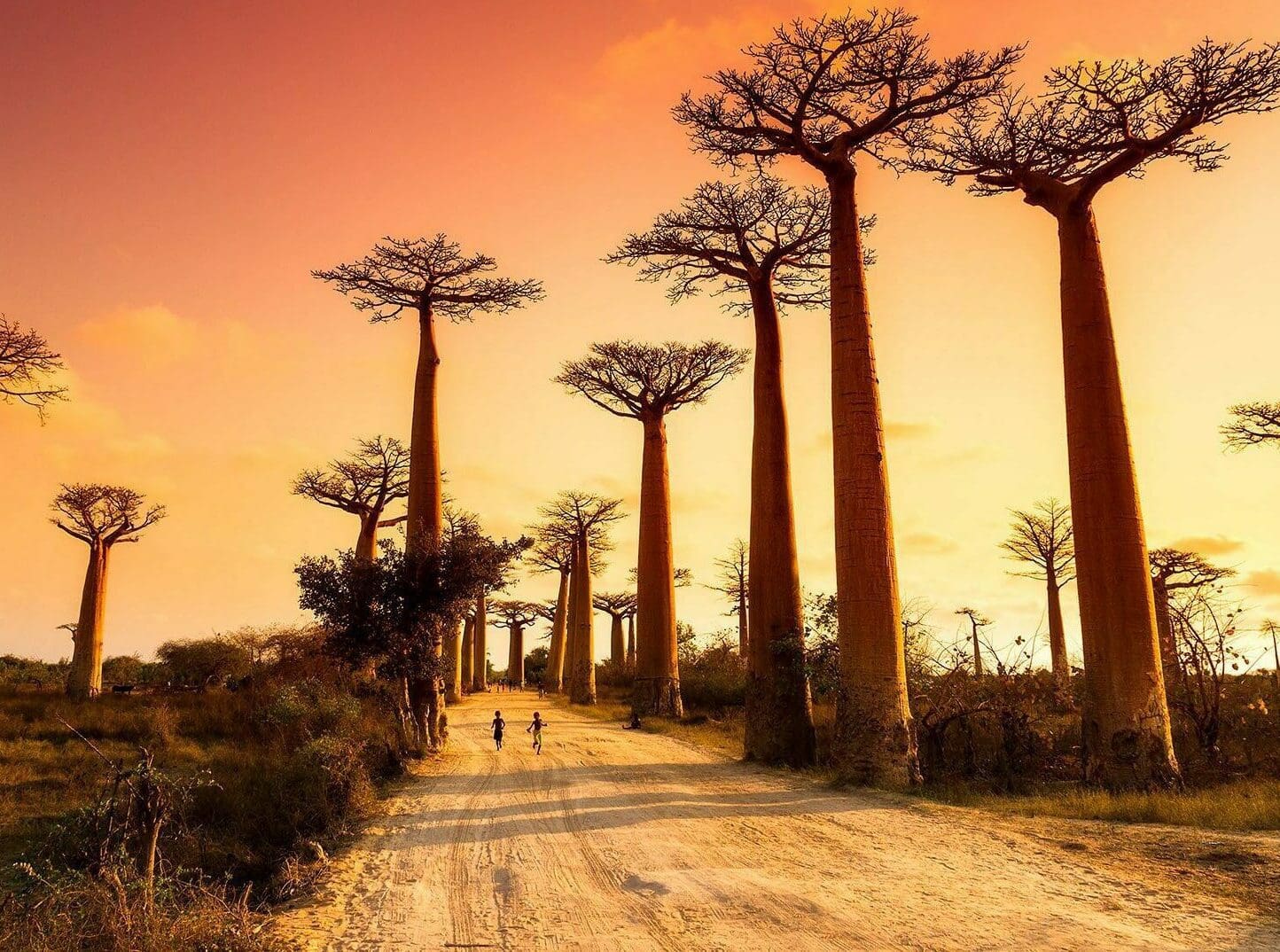
Baobab Avenue, near Morondava, features centuries-old baobabs of the Adansonia grandidieri species lining a red-dirt road, with the best light at sunrise and sunset.


Isalo National Park, in the south of the island, amazes visitors with its sandstone canyons, natural pools, and rock formations that have been eroded over millions of years.


Nosy Be, off the northwest coast, is the region’s main island, with ylang-ylang plantations, turquoise waters, and some of the country’s best diving spots.
The Andasibe rainforest, to the east, is home to the indri, the largest living lemur, known for a call that can be heard several kilometers away


The Andasibe Forest, to the east, is home to the indri, the largest living lemur, known for a call that can be heard from several kilometers away.

Baobabs Madagascar
A world unto itself and a new story to tell

Best Time to Visit Madagascar

The best time to visit Madagascar is from March to April and from October to December, when rainfall is lighter and temperatures—averaging 27°C—are more stable for exploring the island. The heaviest rains and the highest risk of cyclones in the Mozambique Channel occur between January and March.


NUBA Experiences on Your Trip to Madagascar

To know the most deeply rooted traditions of the island.

Asomarse a las costumbres ancestrales de los betsileos y vestirse completamente de blanco para participar en las procesiones dominicales del poblado de Soatanana, únicas en Madagascar. Conocer la religión fifohazana paseando entre las plantaciones de té cercanas.

Watching humpback whales

Dive into the crystal-clear waters surrounding the island of Santa María and encounter entire families of humpback whales during their annual migration north, with the opportunity to swim alongside these cetaceans.


Take a stroll through the island’s natural beauty

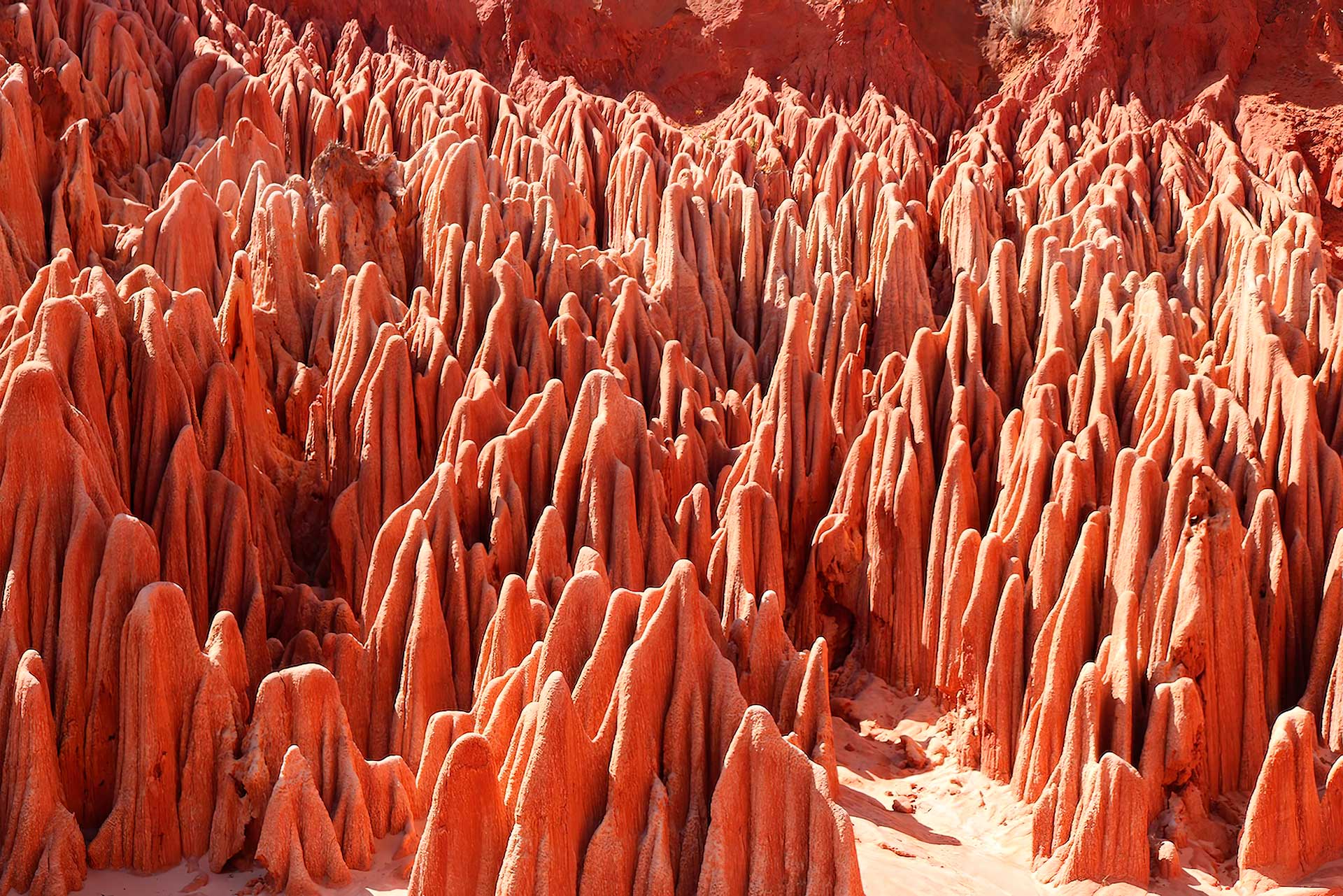
Walk along what was once a seabed, accompanied by the red tsingys of Irodo—rock formations more than 70 million years old.


Budget and Duration of a Trip to Madagascar

A custom trip to Madagascar with NUBA is typically designed to last between ten and fourteen days—enough time to combine the baobabs of Menabe, Isalo National Park, the Andasibe rainforest, and a stretch of beach on Nosy Be without unnecessary travel between regions. Since this is a completely personalized itinerary, the budget is tailored to the accommodations, domestic flights, and experiences you choose: request a customized proposal to get the exact details.


season

From March to April and from October to December, with better temperatures and scarce rains that facilitate the tours around the island.

Tropical

Average 27°C

March to April and October to December

Arid heat during the day, with possibility of heavy rains
NUBA experiences

Tradiciones

To know the most deeply rooted traditions of the island.

To get a glimpse of the ancestral customs of the Betsileos and to dress completely in white to participate in the Sunday processions, unique in Madagascar, in the village of Soatanana. Learn more about the Fifohazan religion while strolling through the nearby tea plantations.
Ballenas jorobadas Madagascar

Discovering humpback whales

Jump into the crystal clear waters surrounding Santa Maria Island and be surrounded by entire families of humpback whales on their annual northward migration. Have the opportunity to swim with these cetaceans and connect on a completely different level with nature.
Tsingy Rouge Red

Stroll through Madagascar’s natural wealth

Walking on what was once a seabed accompanied by the undaunted red tsingys of Irodo, spectacular rock formations more than 70 million years old.

FREQUENTLY ASKED QUESTIONS ABOUT THE TRIP

Where is Madagascar?

Madagascar is located in the Indian Ocean, off the southeastern coast of Africa, separated from Mozambique by the Mozambique Channel. It is the fourth-largest island in the world, with ecosystems ranging from dry baobab forests to tropical rainforest, the result of more than 80 million years of isolation from the African continent.

What is the capital of Madagascar?

The capital of Madagascar is Antananarivo, known locally as Tana, located in the central highlands of the island. Most private tours with NUBA begin or end here, as it is the hub for domestic flights to the rest of the country.

What language is spoken in Madagascar?

In Madagascar, Malagasy and French are spoken as official languages. Malagasy, which is of Austronesian origin, varies by dialect depending on the region, while French is commonly used in tourism, commerce, and most high-end accommodations.

Is it safe to travel to Madagascar?

A trip to Madagascar with local guides and well-planned logistics is safe for the discerning traveler. The main precautions revolve around road conditions and the need for domestic flights between regions, which is why NUBA designs each itinerary with trusted providers and verified transportation options.

When is the best time to travel to Madagascar?

The best time to visit Madagascar is from March to April and from October to December, when rainfall is lighter and temperatures—averaging 27°C—are more stable for exploring the island. The heaviest rainfall and the highest risk of cyclones occur between January and March.

How much does a trip to Madagascar cost?

The cost of a trip to Madagascar depends on accommodations, domestic flights, and the experiences included in the itinerary, since NUBA designs each itinerary on a custom basis and does not offer set packages. Requesting a personalized quote is the best way to determine the actual cost of each trip.

How many days should you plan for a trip to Madagascar?

A custom-designed trip to Madagascar with NUBA typically lasts between ten and fourteen days—enough time to combine the baobabs of Menabe, Isalo National Park, the Andasibe rainforest, and a stretch of beach on Nosy Be without having to make unnecessary trips between regions.

What animals can you see on a trip to Madagascar?

On a trip to Madagascar, you can see more than 100 species of lemurs, including the indri—the largest living lemur, known for its song—as well as chameleons, leaf-tailed geckos, radiated tortoises, and, during the right season, humpback whales off the coast of Santa Maria Island.

Is a luxury trip to Madagascar worth it?

A luxury trip to Madagascar is well worth it for travelers seeking extreme natural beauty and unique biodiversity, with more than 90% of its flora and fauna being endemic to the planet. The experience becomes even more valuable when you have access to private concessions and specialized guides, far from the most heavily traveled routes.

How does a customized trip to Madagascar differ from a package tour?

A custom trip to Madagascar is tailored to the traveler’s interests, with camps, guides, and flight routes selected on an individual basis, whereas a standard package tour follows a fixed itinerary shared with other groups. NUBA designs each itinerary from scratch, without templates or set dates.

BITÁCORA Stories

Traveling to Africa with NUBA means exploring remote destinations where untamed nature, privacy, and authenticity take center stage.

Traveling to Africa with NUBA means exploring remote destinations where untamed nature, privacy, and authenticity take center stage.

Traveling to Africa with NUBA means exploring remote destinations where untamed nature, privacy, and authenticity take center stage.

Traveling to Africa with NUBA means exploring remote destinations where untamed nature, privacy, and authenticity take center stage.

Discover where to travel in 2025 with NUBA. Explore unique destinations and live unforgettable experiences designed especially for you - get ready for adventure!

Discover where to travel in 2025 with NUBA. Explore unique destinations and live unforgettable experiences designed especially for you - get ready for adventure!

Madagascar