The Art of Stillness_ Japan’s Most Beautiful Ryokans

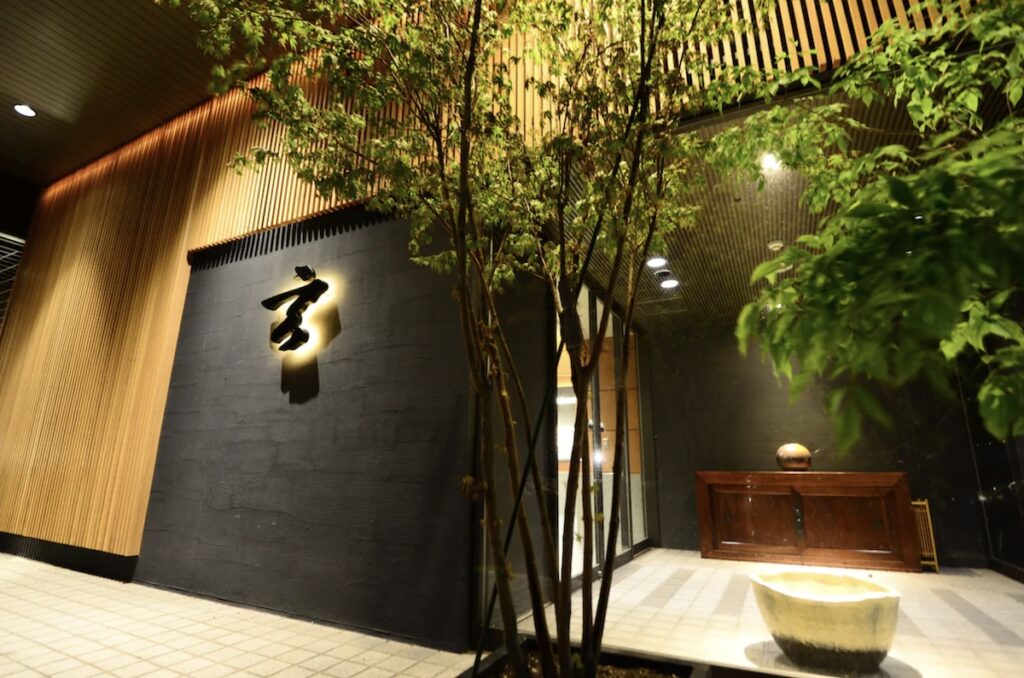
In Japan, luxury doesn’t speak. It listens. It lives in the pause between movements, in the scent of cedar after rain, in a cup of tea poured without a word. For centuries, the ryokan has embodied that quiet perfection — hospitality as ritual, simplicity as sophistication, and nature as architecture. 

Today, a new generation of ryokans is reimagining that heritage for the modern traveler. Some preserve the old ways untouched; others reinterpret them through design, gastronomy, and architecture that feel both timeless and entirely new. 

The Timeless Masters

Tawaraya Ryokan – Kyoto 

The benchmark of Japanese hospitality. Family-run for over 300 years, Tawaraya has no website, no marketing — only reputation. Every gesture feels invisible yet exact, every detail designed to anticipate rather than impress. Staying here is less accommodation than communion. 

Hiiragiya Ryokan – Kyoto 

Another Kyoto institution, Hiiragiya blends heritage with warmth. Artists, writers, and statesmen have stayed within its sliding-door serenity. Its beauty lies in the continuity — the same family, the same philosophy, the same stillness. 

Asaba Ryokan – Shizuoka 

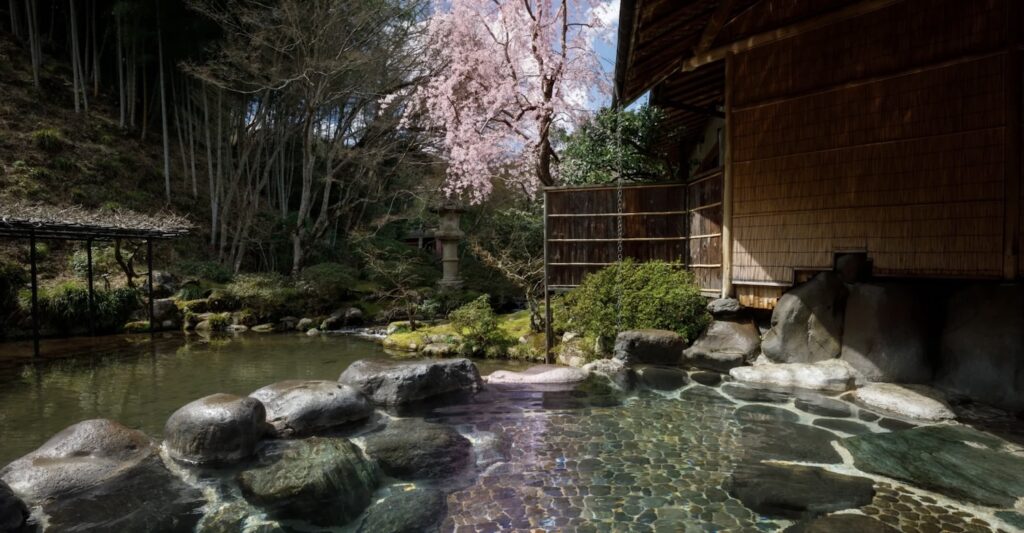
A sanctuary among bamboo groves, Asaba is a masterclass in restraint. Overlooking a pond framed by maple trees and a private Noh theater stage, it represents the purity of ryokan aesthetics — beauty in silence, precision, and ritual. 

Nature as Architecture 

Gora Kadan – Hakone 

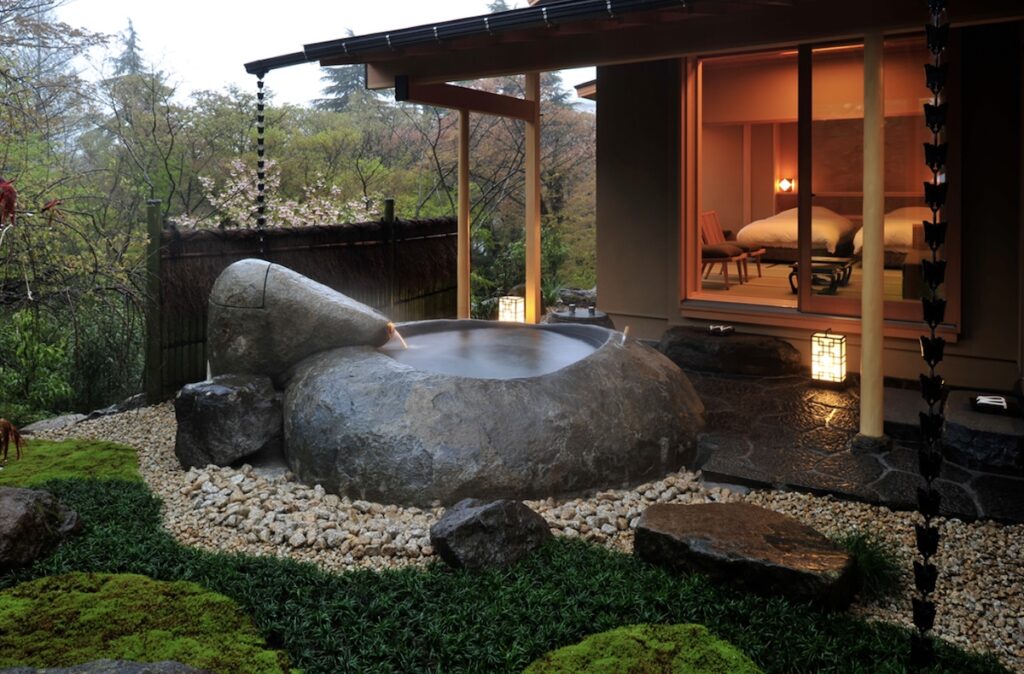
Once a retreat for the Imperial family, now a Relais & Châteaux landmark, Gora Kadan is a study in understatement. Tatami suites open to private onsens, gardens blur into fog, and service exists like breath — felt, never forced. 

Espacio Hakone – Hakone 

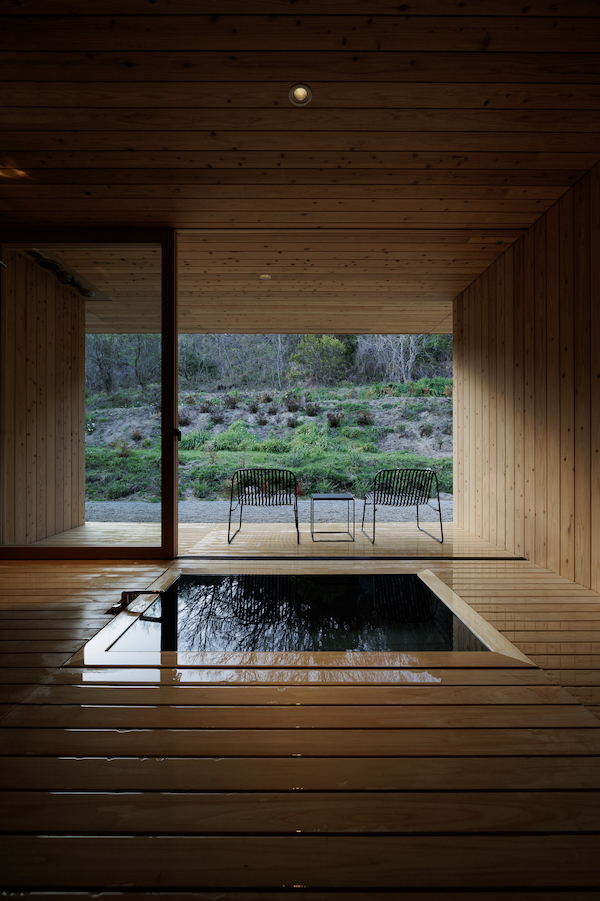
A contemporary interpretation of the ryokan ideal. Sleek lines, sculptural light, and mountain views that frame Mount Fuji. Each suite features a private onsen, while the restaurant turns seasonal produce into minimalist art. Modern Japan distilled into calm. 

Zaborin Ryokan – Niseko, Hokkaido 

Hidden in the snowy forests of Hokkaido, Zaborin defines “luxury isolation.” Sixteen villas, each with indoor and outdoor baths fed by natural springs. Kaiseki menus change daily, and silence becomes the soundtrack. It’s Japan at its most elemental. 

Gen Hakone – Hakone 

A rising favorite among discerning travelers, Gen Hakone fuses contemporary architecture with an intimate, retreat-like rhythm. Floor-to-ceiling glass draws the landscape inside, creating a seamless dialogue between comfort and mountain stillness. 

The New Generation

Roka Ryokan – Okayama 

Part gallery, part retreat — Roka is where tradition meets art. Its design language is clean and architectural, but the soul remains Japanese: impeccable service, poetic dining, and a quiet devotion to detail. 

Hoshinoya Kyoto & Karuizawa 

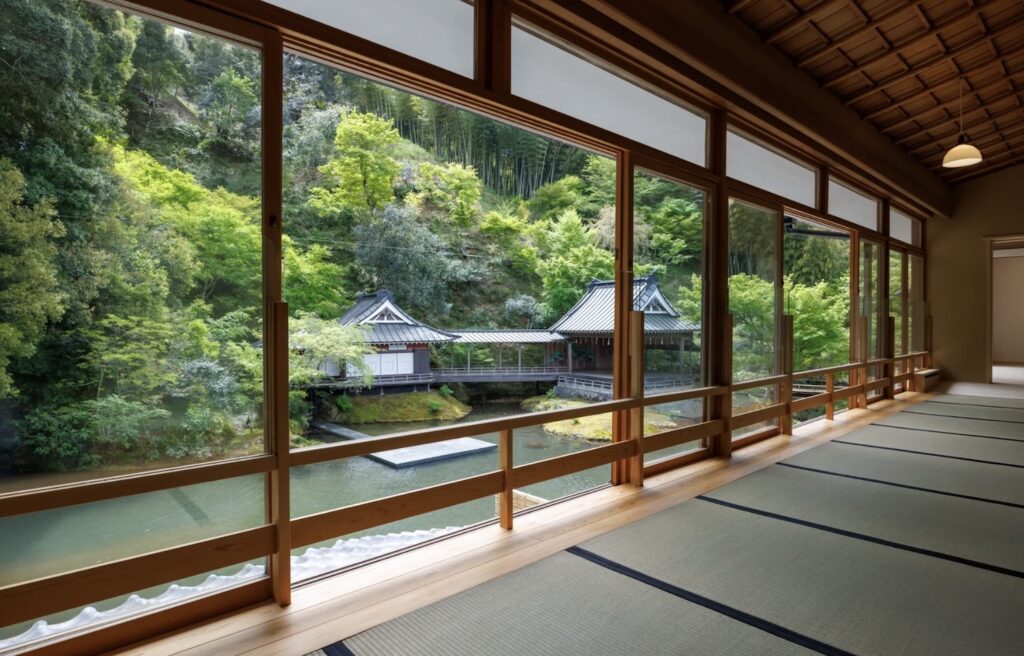
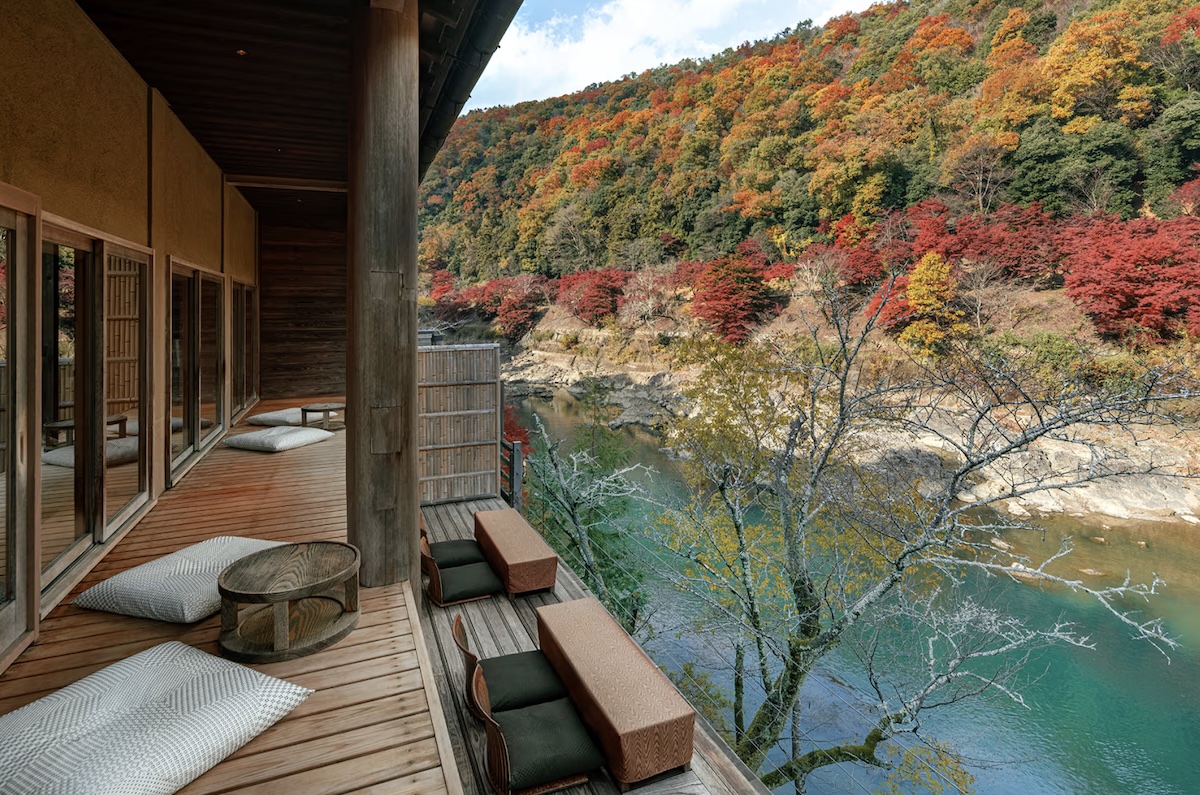
Hoshinoya’s properties bridge past and present. In Kyoto, boats glide guests along the Oi River to a ryokan suspended in mist. In Karuizawa, glass-walled pavilions overlook forests alive with birdsong. Both reinterpret the ritual of omotenashi for the modern era. 

Kai Poroto – Hokkaido 

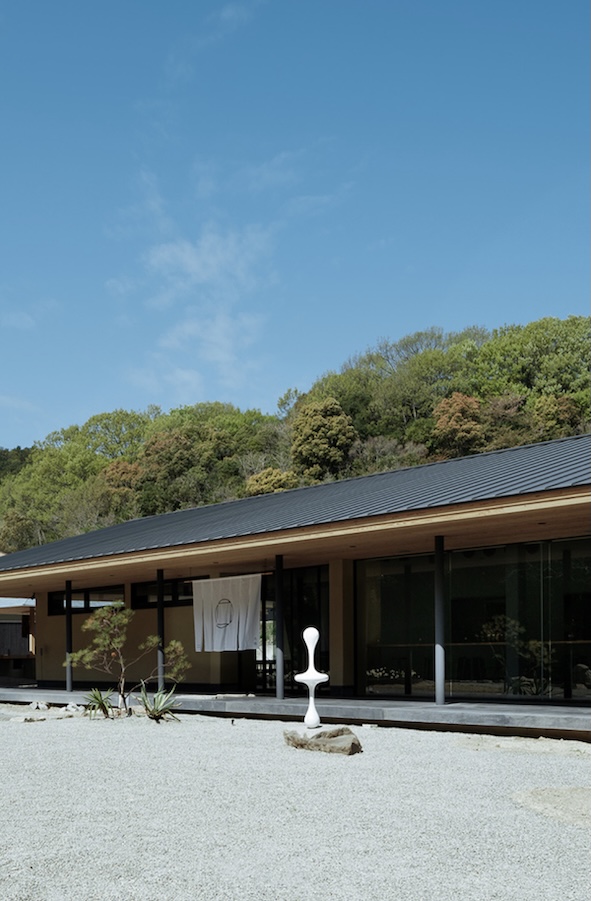
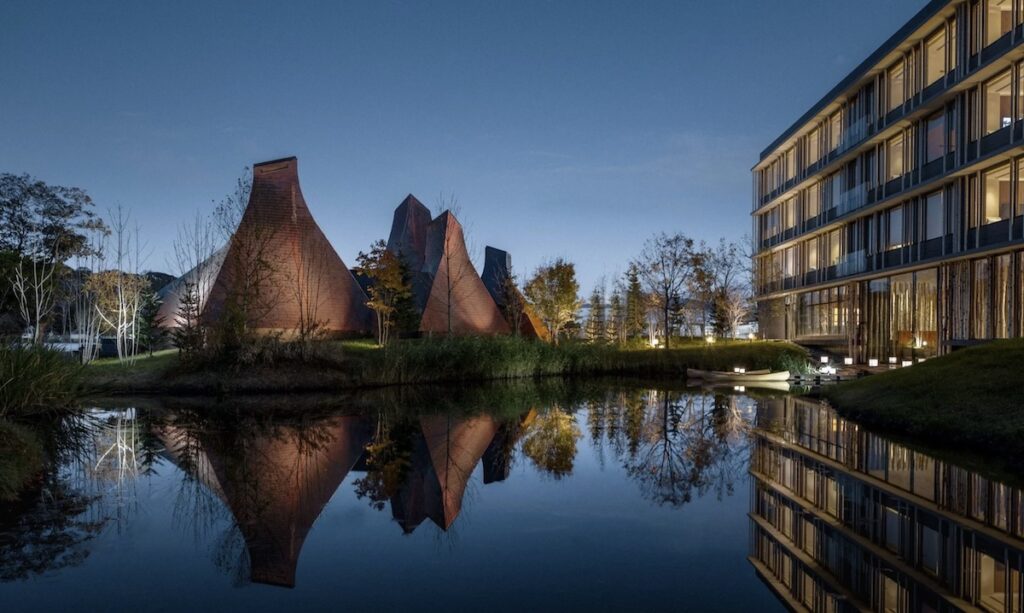
Built in harmony with the Ainu heritage of northern Japan, Kai Poroto is architecture as storytelling: cedar, light, and reflection. It’s luxury rooted in culture — a quiet reminder that modern hospitality can still honor ancient spirit. 

Where Silence Speaks 

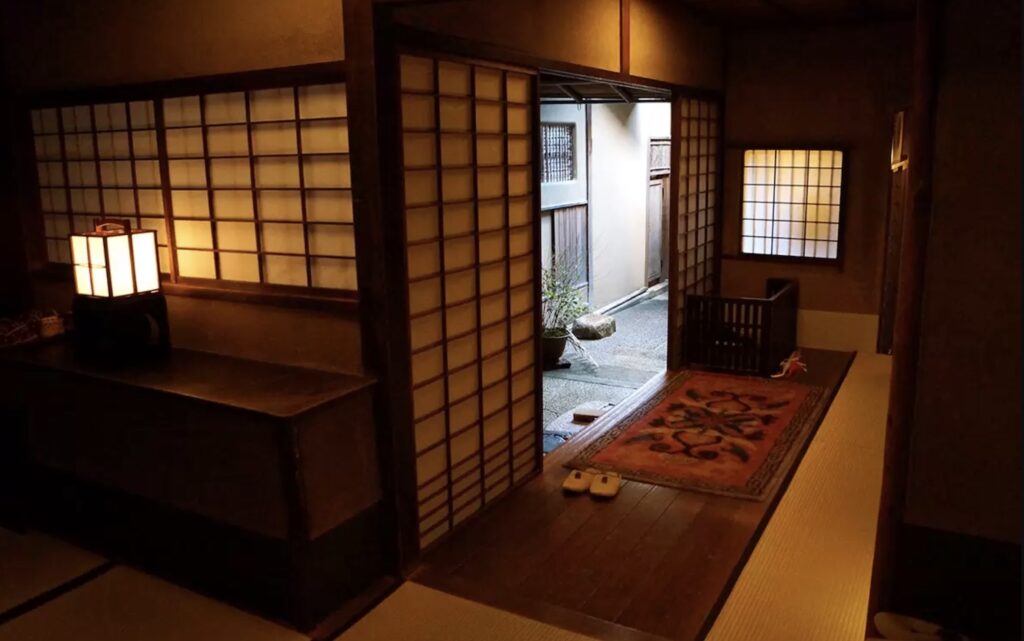
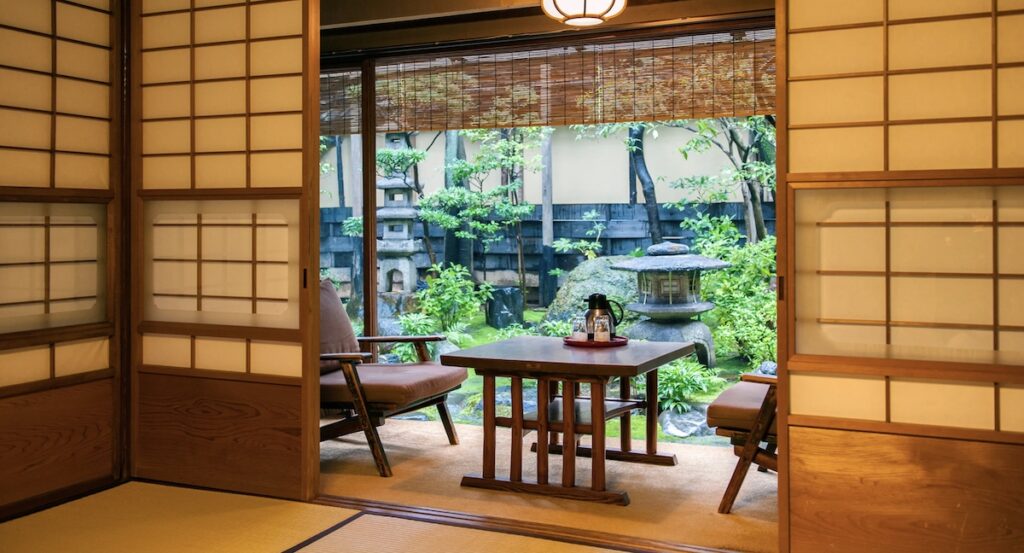
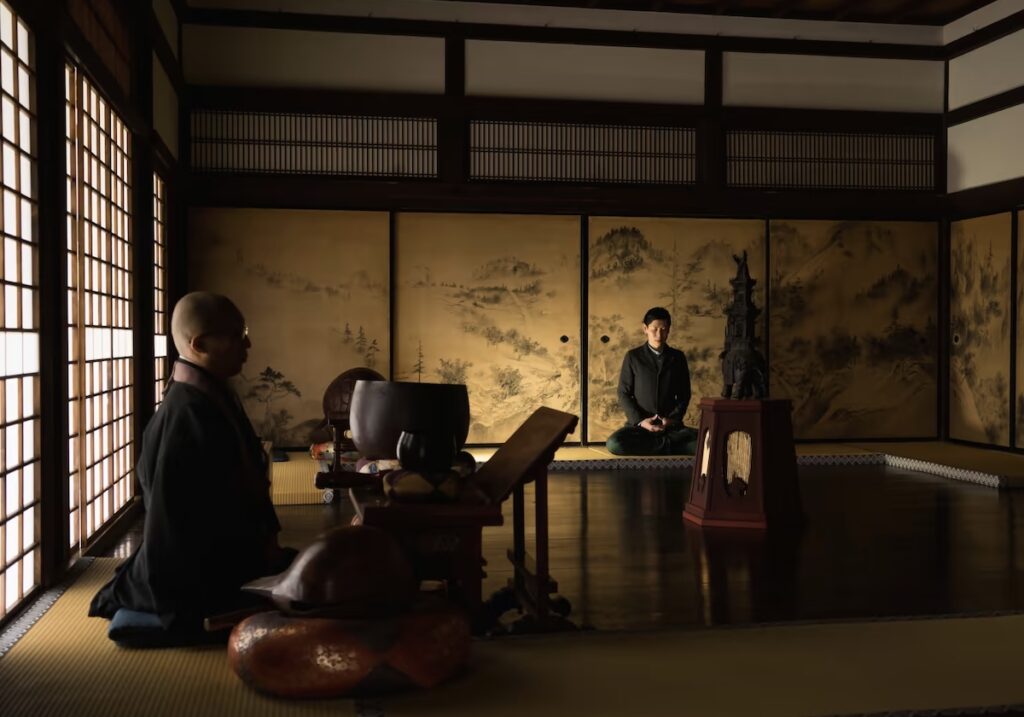
A ryokan is not a hotel. It’s a state of mind. Each moment — the sliding of a shoji door, the warmth of tatami beneath bare feet, the subtle nod of a host — is part of a choreography perfected over centuries. 

In a world obsessed with noise and novelty, Japan’s ryokans remain the ultimate expression of stillness. At NUBA, we don’t simply visit them — we translate them. Because here, luxury isn’t what’s added. It’s what’s left unsaid. 

COMPARTE EL ARTÍCULO

sobre el autor

marketing intern8

relacionados

LO MÁS LEÍDO
Italy is not a discovery — it’s a rediscovery. Beneath its postcard icons lies another country: quieter, more deliberate, infinitely more human. It’s found in towns where time slows, where the light feels softer, and where artisans still work not for fame, but for form. This is Italy at its most intimate — not to be seen, but to be felt. Five places where Italy reveals its quietest, most enduring soul.
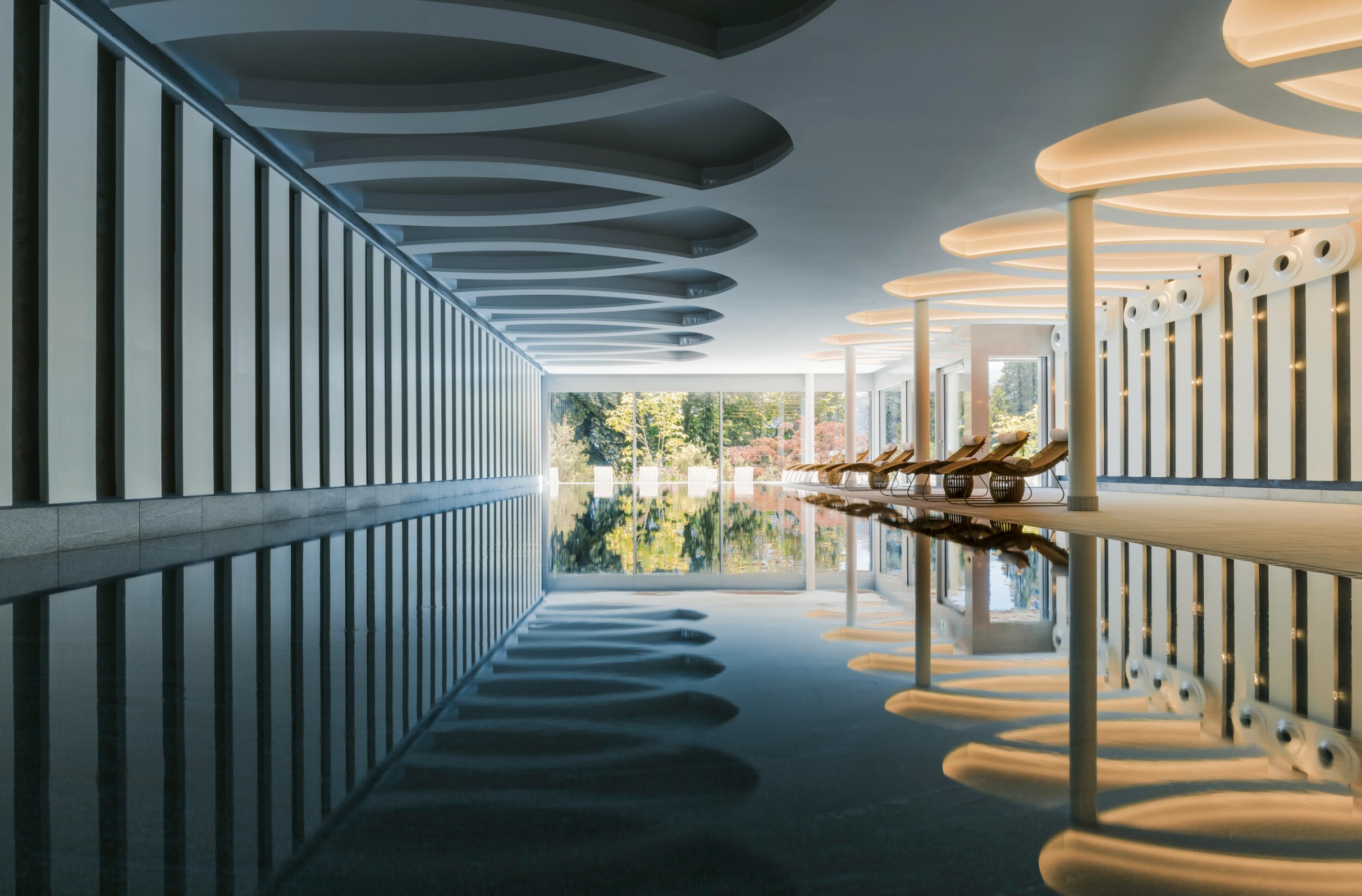
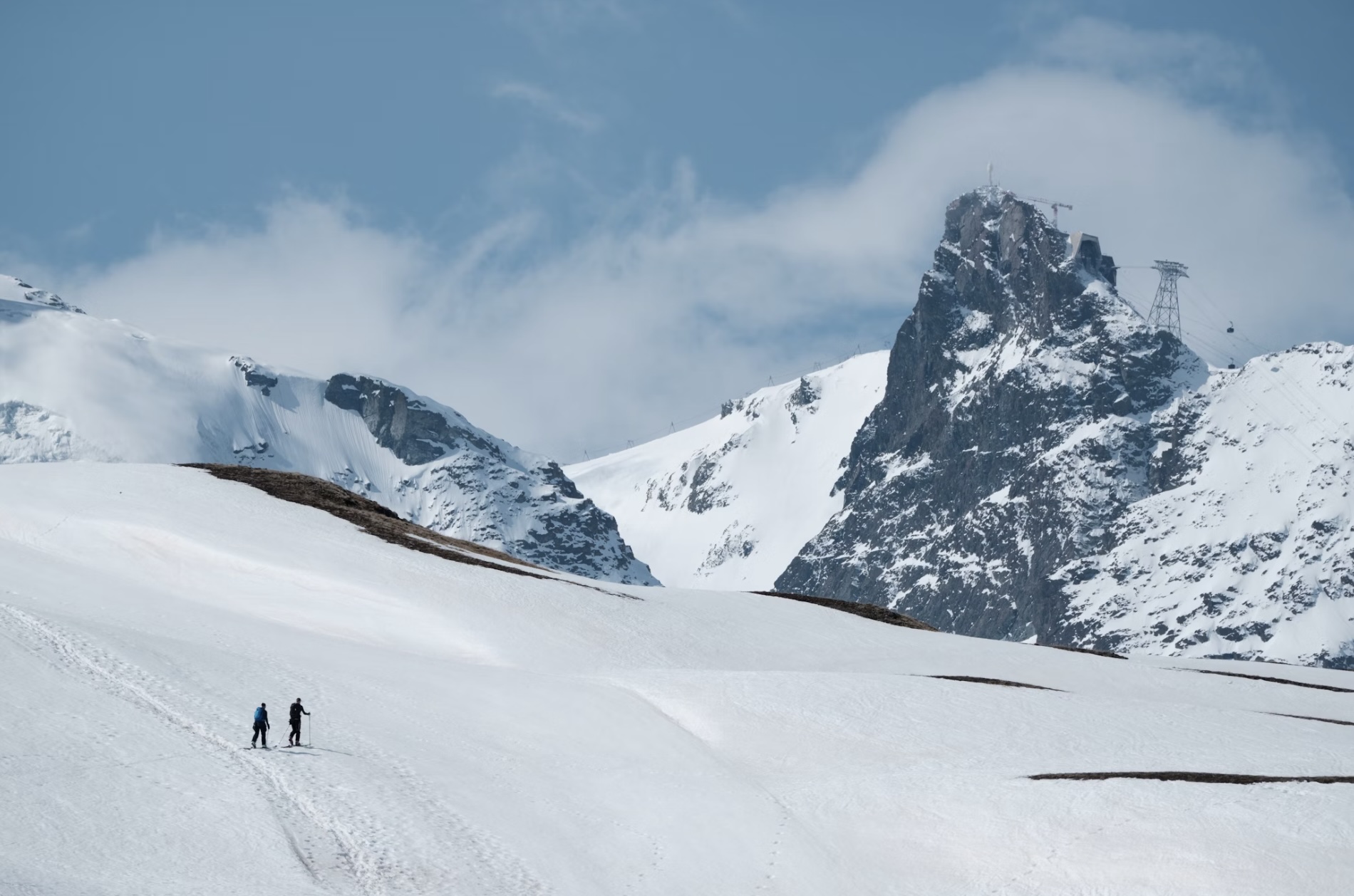
Wellness is no longer a retreat—it’s a revolution. Across the world, the idea of taking care of oneself has evolved from indulgence to intention. Once defined by spa rituals and detox menus, luxury wellness has now become a science—one that blends technology, medicine, and mindfulness to restore not only the body, but the pace of life itself. From the Swiss Alps to the Riviera Maya, a new generation of sanctuaries is redefining what it means to feel well. Today, a new generation of ryokans is reimagining that heritage for the modern traveler. Some preserve the old ways untouched; others reinterpret them through design, gastronomy, and architecture that feel both timeless and entirely new.

In Japan, luxury doesn’t speak. It listens. It lives in the pause between movements, in the scent of cedar after rain, in a cup of tea poured without a word. For centuries, the ryokan has embodied that quiet perfection — hospitality as ritual, simplicity as sophistication, and nature as architecture. Today, a new generation of ryokans is reimagining that heritage for the modern traveler. Some preserve the old ways untouched; others reinterpret them through design, gastronomy, and architecture that feel both timeless and entirely new.
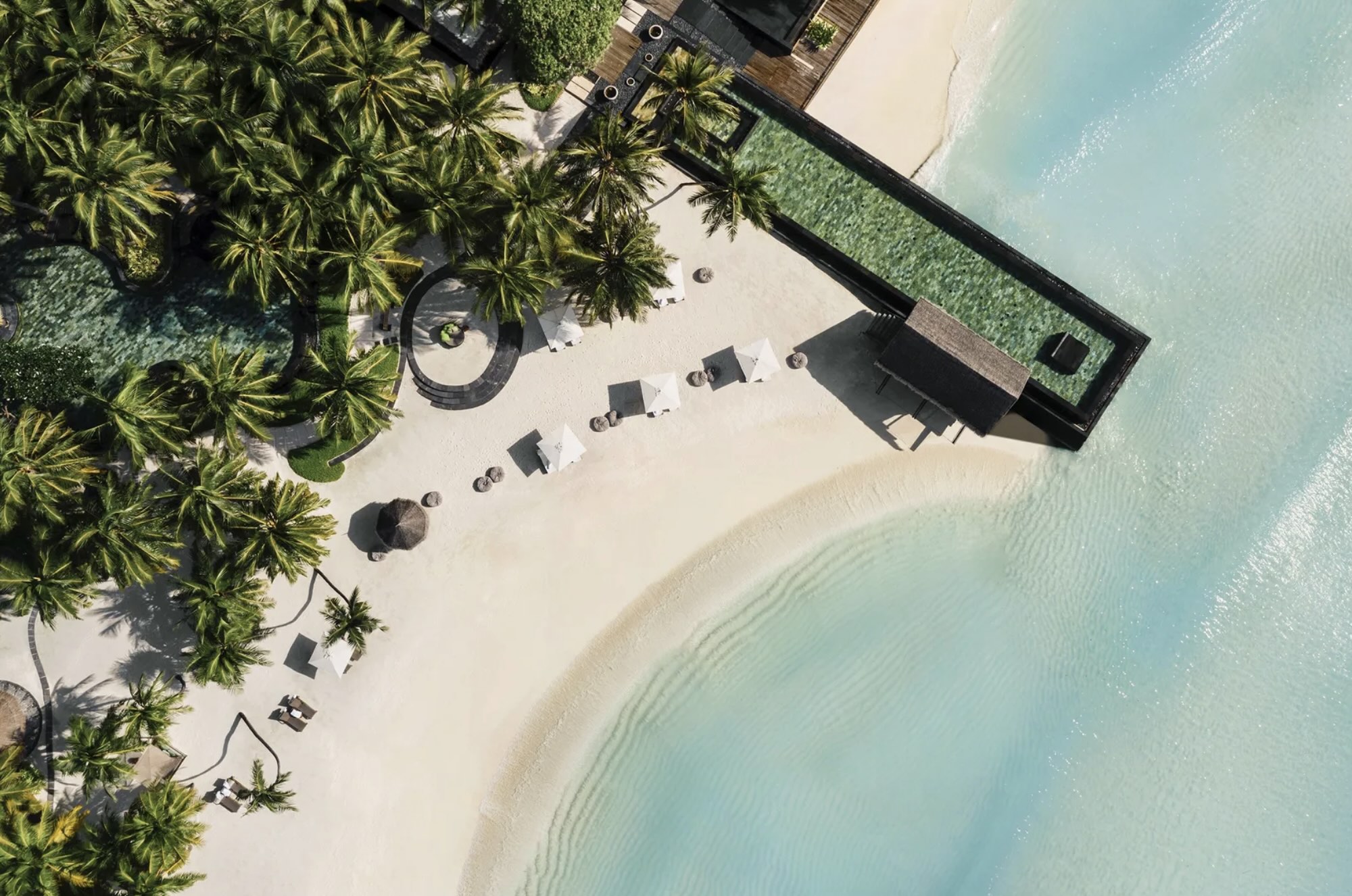
Paradise isn’t one-size-fits-all. The same turquoise that soothes in the Maldives might thrill in Fiji or mesmerize in Bora Bora. For travelers in search of serenity, connection, or discovery, these islands promise beauty—but in very different forms. Choosing between them isn’t about geography. It’s about identity.
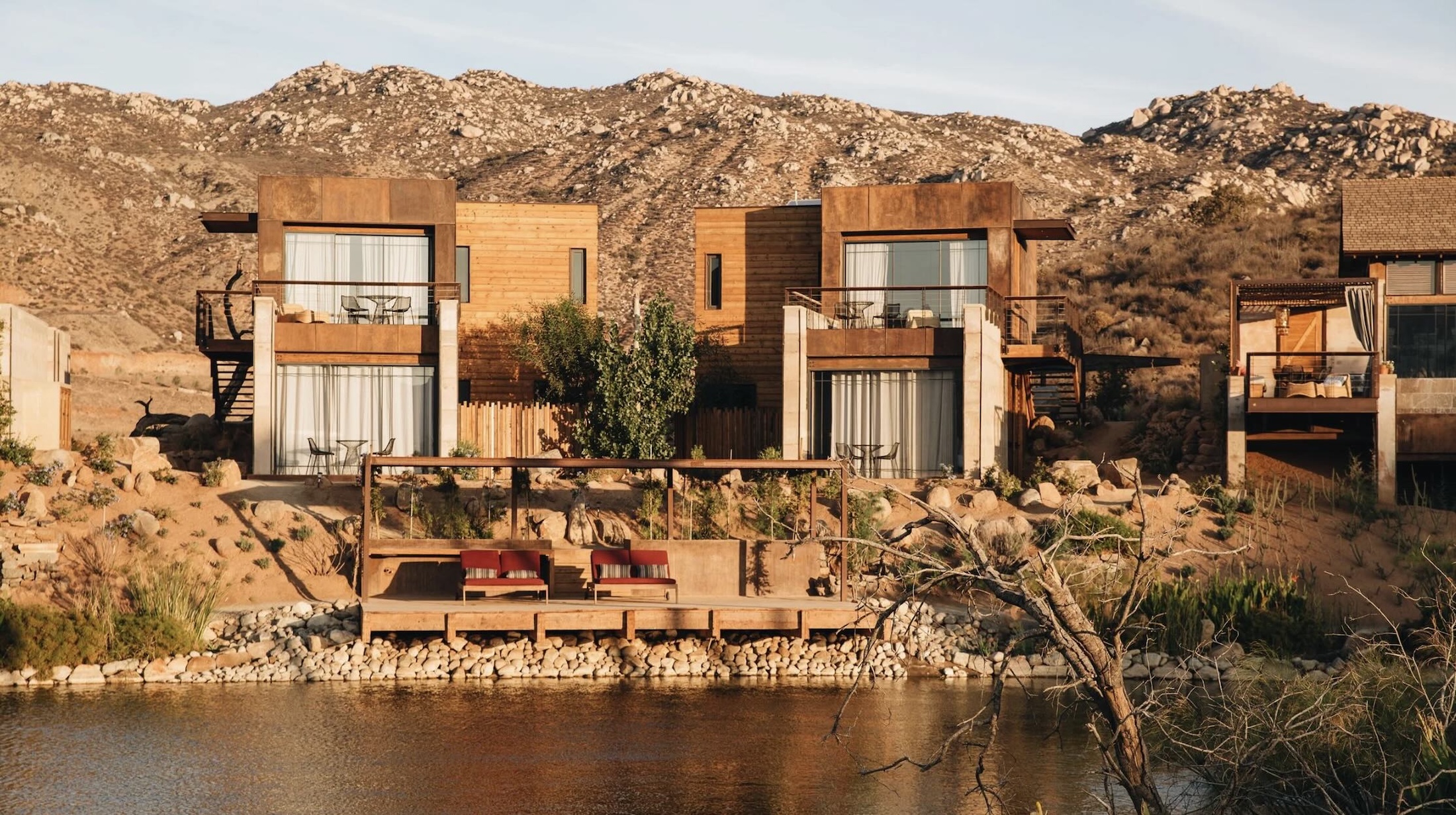
There’s a new Mexico emerging—one that exists beyond the postcards and the predictable. For the modern traveler, Mexico is not just a destination but a state of mind: creative, layered, and alive with contrasts. It’s a country where design meets tradition, where centuries of culture coexist with a generation that’s redefining what modern luxury feels like.