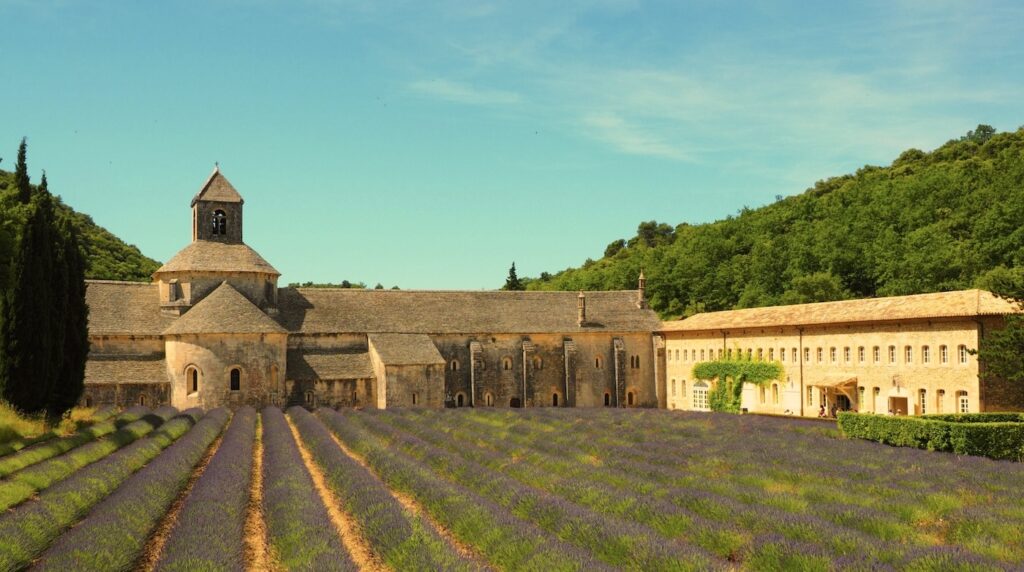
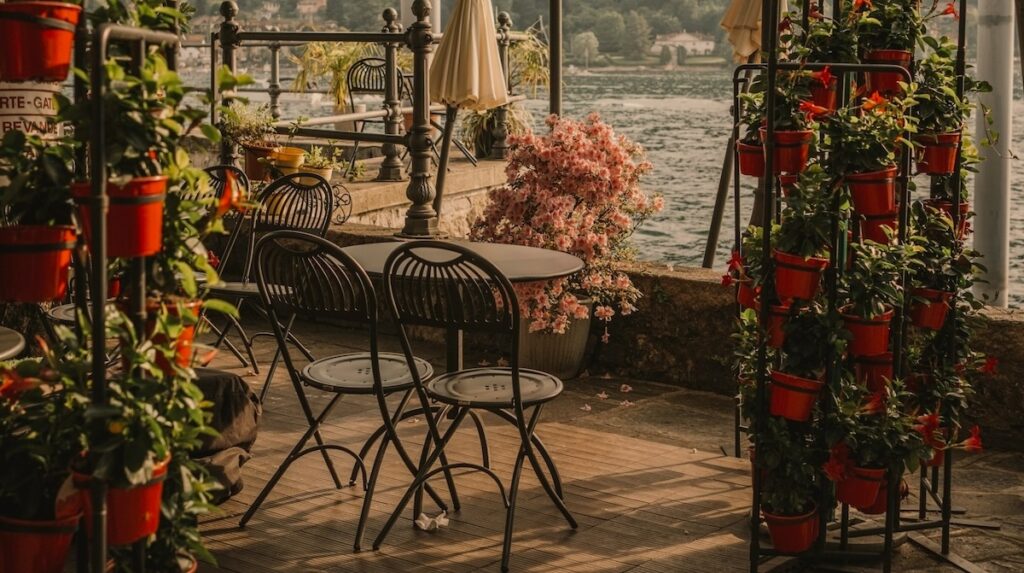
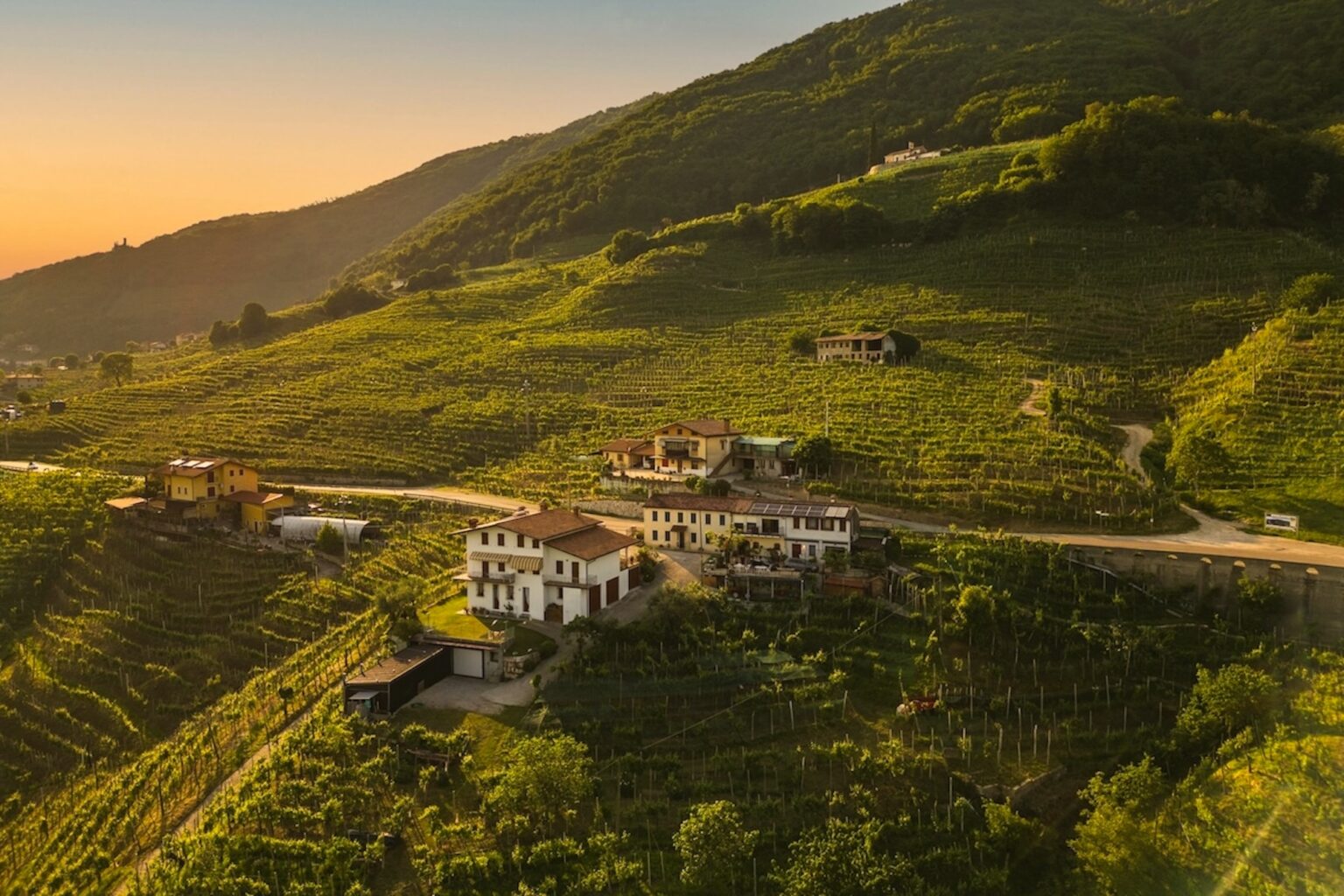
For years, travel was measured by quantity—how far, how fast, how many stamps in a passport. But the new luxury traveler is unlearning that rhythm. Slow travel isn’t about distance or duration; it’s about presence. It’s the art of staying long enough to listen, of letting a place unfold instead of consuming it.
Born in the early 2000s as a quiet rebellion against mass tourism, the philosophy of slow travel invites us to trade itineraries for immersion. To choose one destination over five. To linger in cafés, markets, and side streets until we stop feeling like visitors. It’s a shift from sightseeing to sense-making—a recognition that true connection takes time.
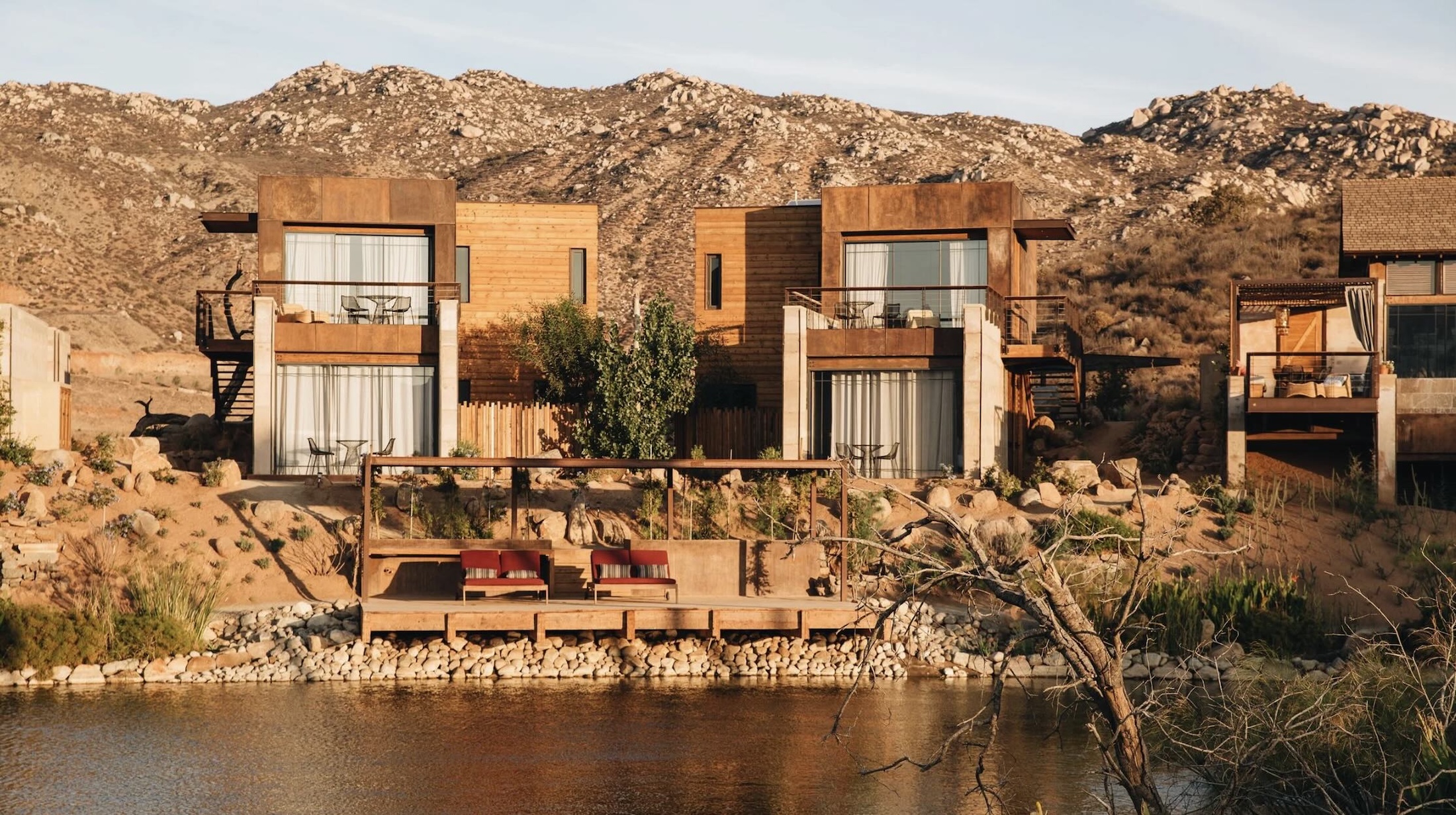
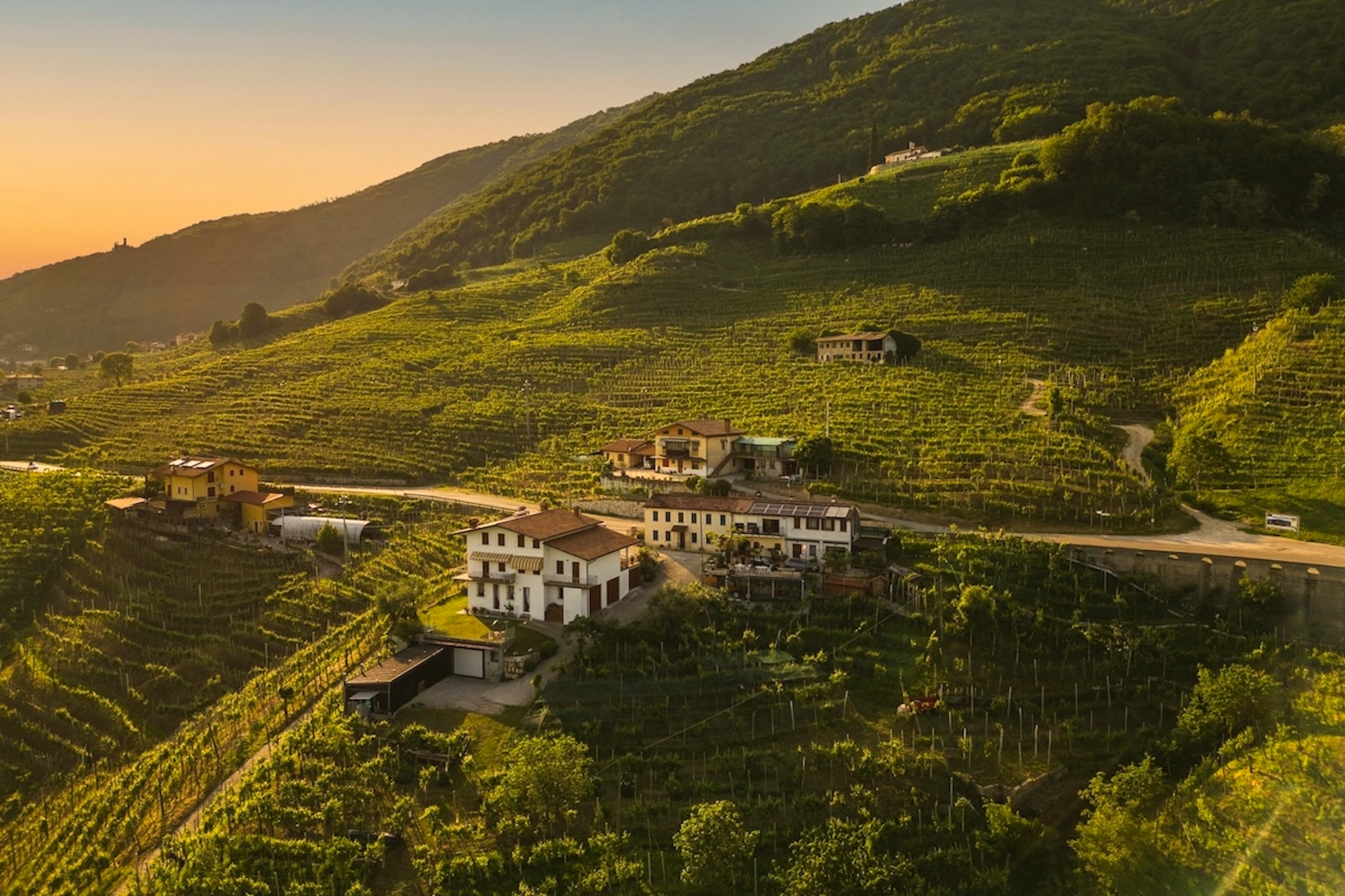
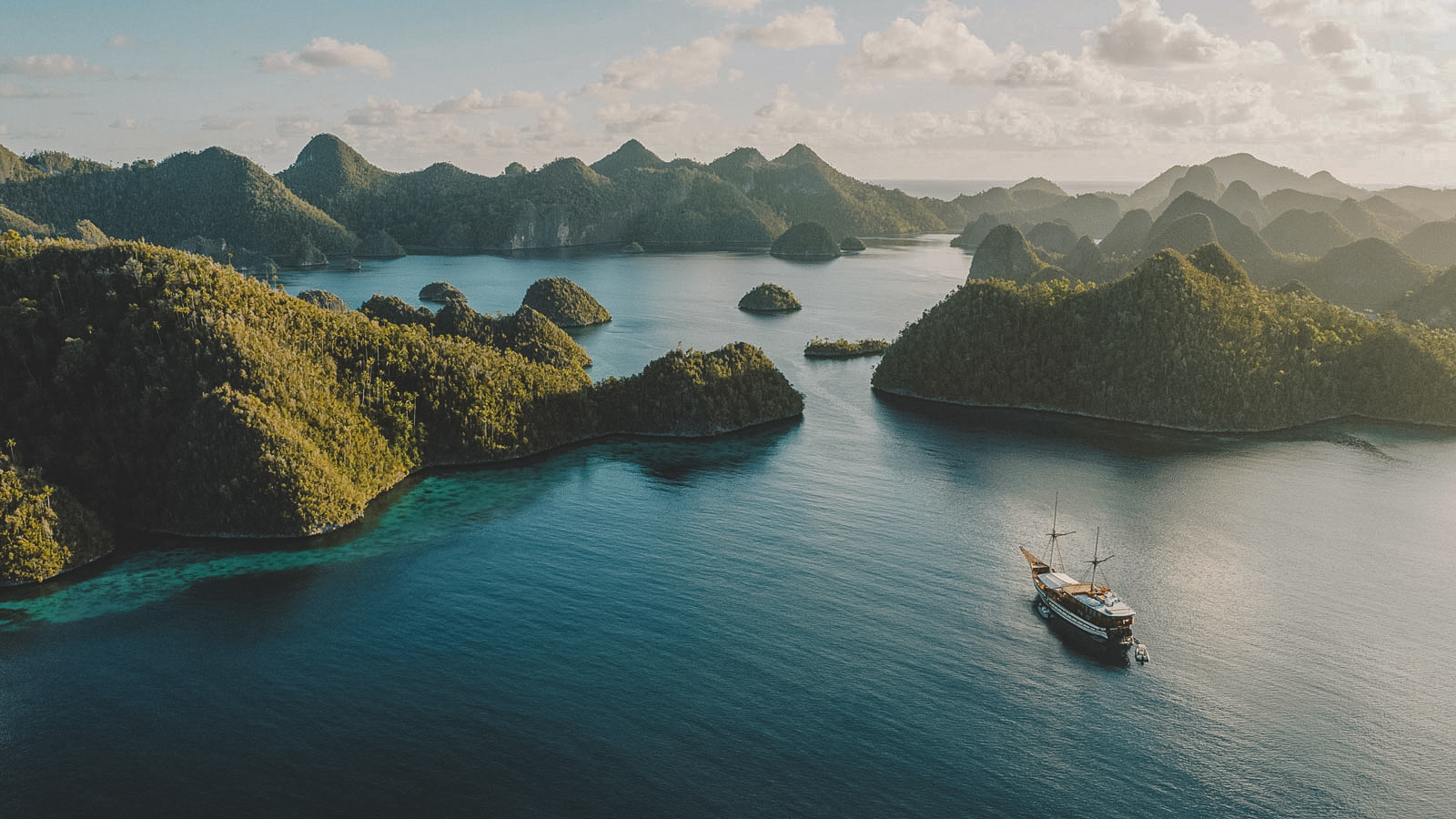
Around the world, the movement is gaining new meaning. In Europe, travelers skip the rush of capitals for the rhythm of Provence or Umbria, where days stretch between vineyards, countryside villas, and local artisans. In Asia, it’s found in the stillness of Kyoto’s temples or the rice terraces of Bali. In Latin America, in the slow pulse of Oaxaca’s mezcal villages or the Andes at dawn. The beauty lies not in what you see, but in how you choose to see it.
Slow travel also speaks to a growing desire for sustainability—not as a checklist, but as a mindset. When we spend more time in fewer places, we leave lighter footprints. We invest in local communities, understand their pace, and return home with more than photographs. It’s travel that heals rather than consumes.
For NUBA, slow travel is not a trend; it’s an instinct. It’s the natural rhythm of journeys designed to be lived, not rushed. The traveler who embraces it is not chasing escape, but belonging—a kind of quiet luxury that unfolds in real moments: the taste of seasonal food, a conversation with a local, the silence before sunrise.
Because when time becomes the rarest luxury, moving slowly isn’t indulgence. It’s wisdom.
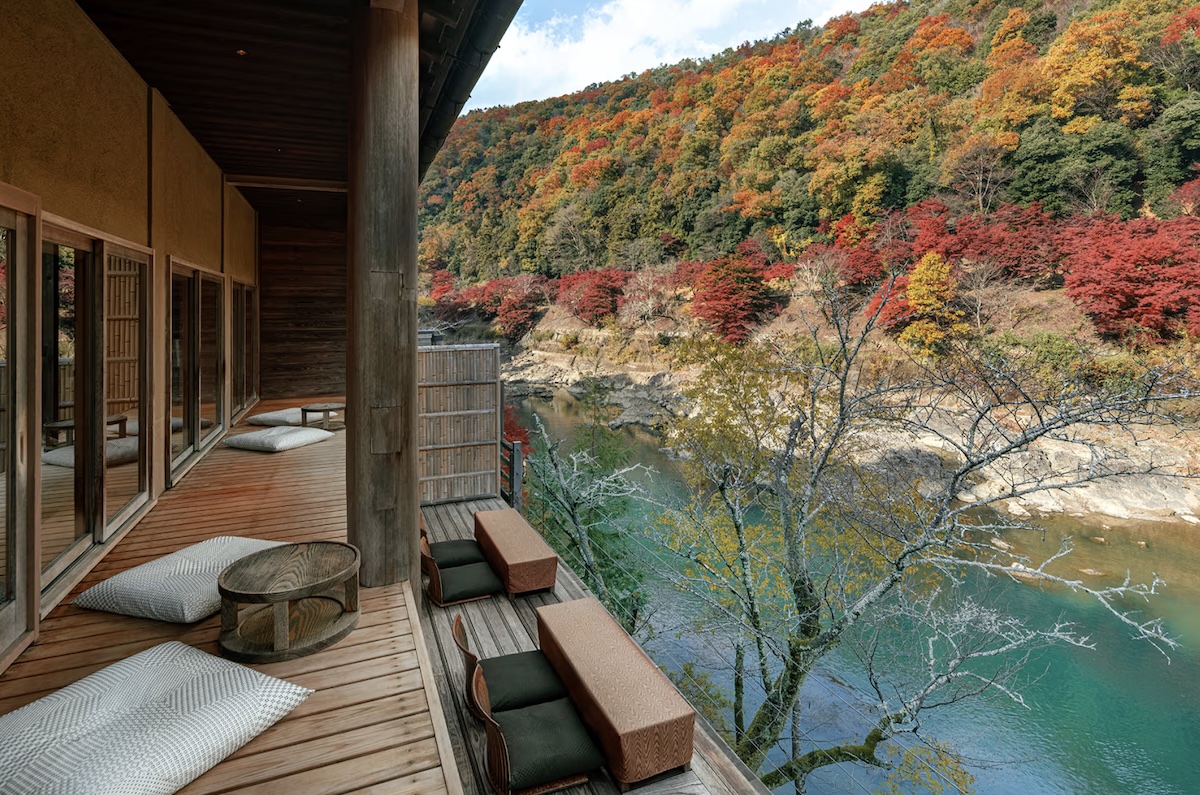
In Japan, luxury doesn’t speak. It listens. It lives in the pause between movements, in the scent of cedar after rain, in a cup of tea poured without a word. For centuries, the ryokan has embodied that quiet perfection — hospitality as ritual, simplicity as sophistication, and nature as architecture.
Today, a new generation of ryokans is reimagining that heritage for the modern traveler. Some preserve the old ways untouched; others reinterpret them through design, gastronomy, and architecture that feel both timeless and entirely new.
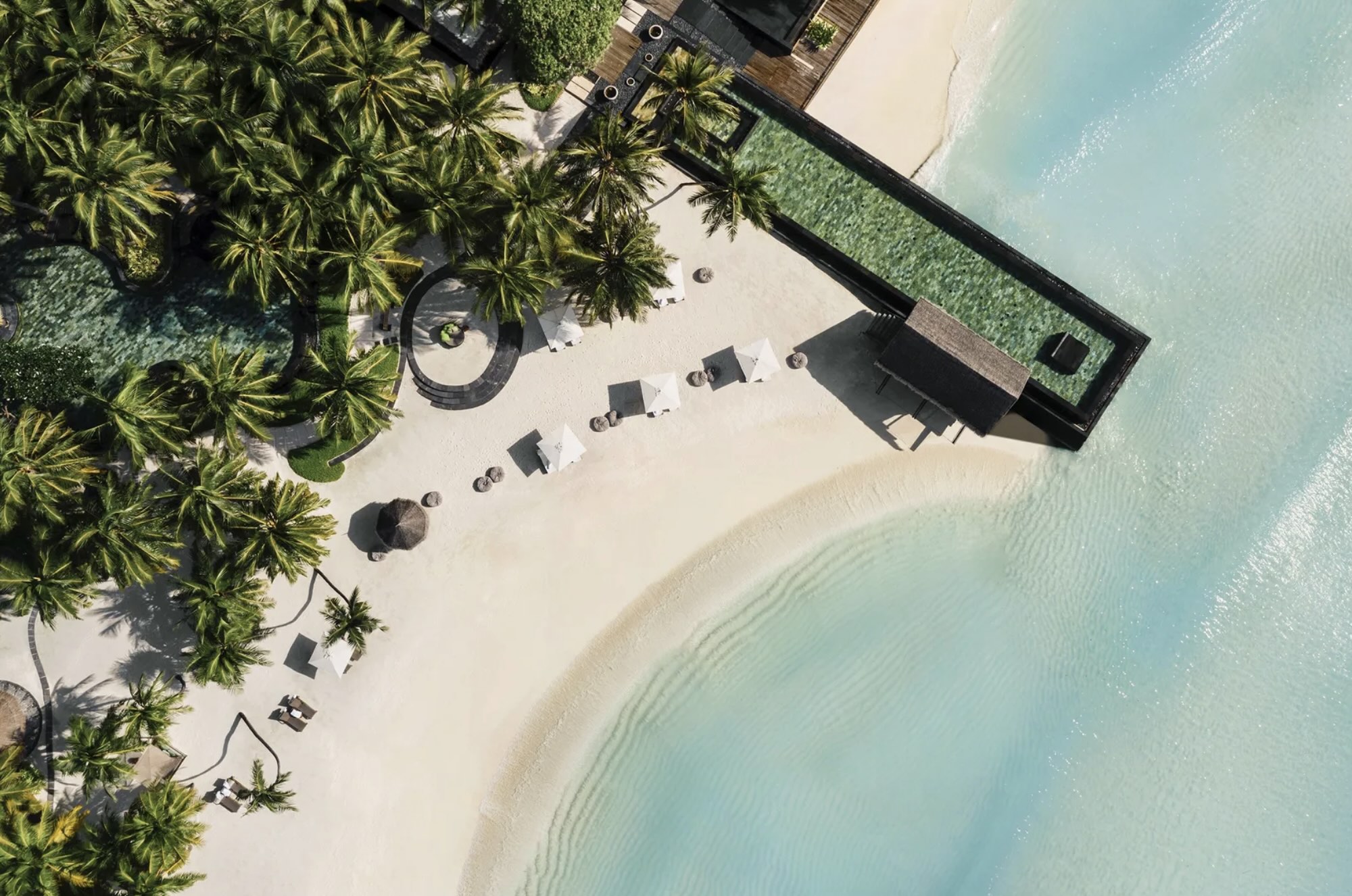
Paradise isn’t one-size-fits-all. The same turquoise that soothes in the Maldives might thrill in Fiji or mesmerize in Bora Bora. For travelers in search of serenity, connection, or discovery, these islands promise beauty—but in very different forms. Choosing between them isn’t about geography. It’s about identity.
Paradise isn’t one-size-fits-all. The same turquoise that soothes in the Maldives might thrill in Fiji or mesmerize in Bora Bora. For travelers in search of serenity, connection, or discovery, these islands promise beauty—but in very different forms. Choosing between them isn’t about geography. It’s about identity.
There’s a new Mexico emerging—one that exists beyond the postcards and the predictable. For the modern traveler, Mexico is not just a destination but a state of mind: creative, layered, and alive with contrasts. It’s a country where design meets tradition, where centuries of culture coexist with a generation that’s redefining what modern luxury feels like.
For years, travel was measured by quantity—how far, how fast, how many stamps in a passport. But the new luxury traveler is unlearning that rhythm. Slow travel isn’t about distance or duration; it’s about presence. It’s the art of staying long enough to listen, of letting a place unfold instead of consuming it.
Luxury yachting is no longer about the yacht itself—it’s about what it allows you to experience. Privacy, rhythm, and perspective. A return to travel where time bends to your will and the horizon becomes your only itinerary. Across the Mediterranean, the Indian Ocean, and the Pacific, a new generation of vessels is redefining what it means to explore the world by sea.